

Dec 23, 2024

ソーラーシステムに最適なケーブルはどれですか?

伝言を残す

世界が再生可能エネルギーにもっと注意を払うにつれて、太陽​​エネルギーは清潔で持続可能なエネルギーとして広く使用されてきました。太陽光発電(PV)システムは、住宅、商業ビル、および大規模な太陽光発電所で重要な役割を果たします。太陽光発電システムでは、ケーブルとワイヤーは、システムの効率、信頼性、安全性を決定する重要なコンポーネントです。したがって、右のケーブルを選択することは非常に重要です。

この記事では、ソーラーケーブルとソーラーワイヤの特性と適用標準を調査し、異なるソーラーシステムでのアプリケーションを比較します。最後に、ソーラーケーブルを選択する際に考慮すべき要素を提供して、最良の決定を下すのに役立ちます。

​ As the world pays more attention to renewable energy, solar energy has been widely used as a clean and sustainable form of energy. Photovoltaic (PV) systems play an important role in residential, commercial buildings, and large-scale photovoltaic power plants. In photovoltaic systems, cables and wires are key components that determine the efficiency, reliability, and safety of the system. Therefore, choosing the right cable is very important.  In this article, we will explore the characteristics and applicable standards of solar cables and solar wires, and compare their applications in different solar systems. Finally, we will give the factors to consider when choosing solar cables to help you make the best decision.     1. What are solar cables and solar wires?  1.1 Solar Cable Solar cables are cables designed specifically for photovoltaic systems. Their main task is to transmit the electricity generated by solar panels to inverters, energy storage devices, or power systems. Solar cables not only need to have the conductive function of conventional cables, but also need to be able to withstand long-term outdoor exposure, extreme climates, ultraviolet radiation, and other factors.  Solar cables usually have the following characteristics:  High temperature resistance: Solar cables need to withstand high temperature environments, especially working environments under direct sunlight. Ultraviolet (UV) resistance: Solar cables are exposed to the outdoors all year round, and ultraviolet radiation may cause the cable material to age, so the cable must have good UV resistance. Corrosion and aging resistance: Solar cables must be able to resist chemical corrosion, oxidation and aging, and maintain long-term stability. Waterproof performance: Since solar cables are often exposed to humid environments, the outer layer of the cable needs to have strong waterproof properties. High voltage tolerance: Modern photovoltaic systems usually operate at higher voltages, so the voltage level of solar cables needs to meet system requirements. 1.2 Solar Wire Solar wires usually refer to single wires used to connect solar panels and other devices. Compared with cables, they lack external insulation and sheath layers, so they require more protection when used. Although solar wires are sometimes used in photovoltaic systems, they are more used for short-distance connections and lightweight wiring scenarios. Unlike solar cables, wires usually contain only one or more conductors, so they are not environmentally resistant.    2. Main types and standards of solar cables There are many types of solar cables, including dual-conductor (dual-core cable), single-conductor, single-wire, high-voltage resistant, etc. Each type of cable has different usage scenarios and characteristics, and the specific choice needs to be determined according to the needs of the photovoltaic system.  2.1 Dual-conductor solar cable (dual-core cable) Dual-conductor cables are often used to connect multiple photovoltaic panels in parallel, and have good current carrying capacity and electrical performance. Each cable has two conductors inside, one for the positive pole and the other for the negative pole. The design of the cable helps maintain the stability of the system and the efficiency of power transmission.  2.2 Single-conductor solar cable Single-conductor cables are mainly used for single electrical connections or smaller photovoltaic systems. Generally, they are suitable for connecting panels to inverters, or in applications that require higher currents.  2.3 High-voltage solar cables (high-voltage cables) Modern large-scale photovoltaic power stations and high-efficiency photovoltaic systems usually have higher voltage levels. To adapt to these systems, solar cables need to support higher voltage levels (such as 1000V or 1500V). The design of these high-voltage cables requires special attention to electrical performance, insulation materials, and high-voltage transmission capabilities.  2.4 Photovoltaic cable standards Solar cables must meet certain safety standards and certification requirements. Common standards include:  IEC 60216: Heat resistance and aging performance of cables.  IEC 60754: Smoke release and corrosiveness of cables in fire situations.  UL 4703: Safety standard for photovoltaic cables in the United States.  TÜV certification: Certification of photovoltaic cables in the European market to ensure that the cables meet the requirements of UV resistance and high temperature resistance.    3. The difference between solar cables and solar wires The main difference between solar cables and solar wires lies in the structure, use environment, and material properties. The following are the key differences between them:  3.1 Structural differences Solar cables: Solar cables are usually composed of multiple conductors, insulation layers, and outer sheaths. Its outer sheath is usually made of polyethylene (PE) or other UV-resistant and high-temperature-resistant materials to ensure that it maintains good working performance under long-term outdoor exposure. Solar wires: Solar wires usually have only one conductor, lack an outer sheath or have only simple outer insulation. Therefore, solar wires are more suitable for short-distance applications or applications that are not exposed to the outdoors. 3.2 Environmental adaptability Solar cables: Solar cables are designed for outdoor and harsh environments. They have strong resistance to UV rays, high temperatures, aging, and water, and can operate stably under long-term exposure to sunlight and harsh weather conditions. Solar wires: Due to the lack of an outer sheath or protective layer, solar wires have poor weather resistance and environmental resistance, and are more suitable for indoor applications or short-distance connections. 3.3 Safety and durability Solar cables: The outer sheath of solar cables is well designed and can effectively prevent physical damage, chemical corrosion, and aging caused by environmental factors. It usually has high voltage tolerance (600V, 1000V, or 1500V), meets strict safety standards, and can operate stably for a long time. Solar wires: Solar wires have low durability and damage resistance and are generally suitable for applications with lower voltages and milder working environments.     4. Key factors for choosing the best solar cable There are several key factors to consider when choosing the best solar cable:  4.1 Voltage level The voltage level of the solar cable is one of the most important selection factors. Most home and small commercial photovoltaic systems usually have a voltage level of 600V or 1000V, while large photovoltaic power stations may require a higher voltage level, such as 1500V. Choose a cable with the appropriate voltage level according to the rated voltage of the system to ensure that the cable can withstand the operating voltage of the system.  4.2 Cable material The conductor material of the solar cable is usually copper or aluminum. The copper conductor has better conductivity than the aluminum conductor, but the cost is higher. Choosing copper conductor cable can improve the efficiency of the system, especially in long-distance transmission. Although aluminum conductor cable is cheaper, it has poor conductivity and is suitable for short-distance transmission.  4.3 Environmental adaptability Solar cables need to be able to withstand harsh environmental conditions, including high temperature, strong ultraviolet radiation, rain, wind and sand, etc. Therefore, it is very important to choose a cable outer sheath material with characteristics such as UV resistance, water resistance, and high temperature resistance. Common outer sheath materials include polyethylene (PE), **cross-linked polyethylene (XLPE)**, etc. These materials can effectively protect the internal structure of the cable and extend the service life of the cable.  4.4 Cable certification and standards Solar cables must comply with strict international safety and quality standards, such as IEC 60216, IEC 60754, UL 4703, etc. Selecting certified cables can ensure that they have high safety and reliability in long-term use.  4.5 Flexibility and ease of installation In some photovoltaic systems, the flexibility and ease of installation of the cable are also important factors in selection. Selecting flexible solar cables can facilitate installation, especially in complex wiring environments.  ​

1。何ですかソーラーケーブルそしてソーラーワイヤー?

1.1ソーラーケーブル
ソーラーケーブルは、太陽光発電システム専用に設計されたケーブルです。彼らの主なタスクは、ソーラーパネルによって生成された電気をインバーター、エネルギー貯蔵装置、または電源システムに送信することです。ソーラーケーブルには、従来のケーブルの導電機能が必要であるだけでなく、長期の屋外曝露、極端な気候、紫外線、およびその他の要因に耐えることができる必要があります。

ソーラーケーブルには通常、次の特性があります。

高温抵抗:ソーラーケーブルは、高温環境、特に直射日光下の作業環境に耐える必要があります。
紫外線(UV)抵抗:ソーラーケーブルは一年中屋外にさらされており、紫外線放射はケーブル材料を加齢にする可能性があるため、ケーブルには良好なUV抵抗が必要です。
腐食と老化抵抗:ソーラーケーブルは、化学腐食、酸化、老化に抵抗し、長期的な安定性を維持できる必要があります。
防水性能:ソーラーケーブルはしばしば湿度の高い環境にさらされるため、ケーブルの外層には強力な防水特性が必要です。
高電圧耐性:最新の太陽光発電システムは通常、より高い電圧で動作するため、ソーラーケーブルの電圧レベルはシステム要件を満たす必要があります。
1.2 ソーラーワイヤ
ソーラーワイヤーは通常、ソーラーパネルやその他のデバイスを接続するために使用される単一ワイヤを指します。ケーブルと比較して、外部断熱材とシース層がないため、使用するとより多くの保護が必要です。太陽線は太陽光発電システムで使用されることがありますが、短距離接続と軽量配線シナリオに使用されます。ソーラーケーブルとは異なり、ワイヤーには通常、1つ以上の導体のみが含まれているため、環境的に耐性はありません。

wiring system used in pv solar installation

2。ソーラーケーブルの主なタイプと標準
デュアルコンダクタ(デュアルコアケーブル)、シングルコンダクタ、シングルワイヤー、高電圧耐性など、多くの種類のソーラーケーブルがあります。各タイプのケーブルには、さまざまな使用シナリオと特性があり、特定の選択肢を太陽光発電システムのニーズに応じて決定する必要があります。

2.1デュアルコンダクタソーラーケーブル(デュアルコアケーブル)
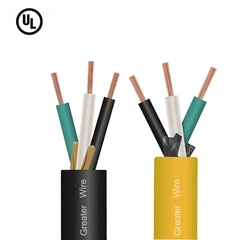
デュアルコンダクタケーブルは、多くの場合、複数の太陽光発電パネルを並行して接続するために使用され、電流容量と電気性能が良好です。各ケーブルには内部に2つの導体があり、1つは正のポール用で、もう1つは負の極にあります。ケーブルの設計は、システムの安定性と送電の効率を維持するのに役立ちます。

2.2シングルコンダクタソーラーケーブル
単一導体ケーブルは、主に単一の電気接続またはより小さな太陽光発電システムに使用されます。一般的に、パネルをインバーターに接続するか、より高い電流を必要とするアプリケーションで適しています。

2.3高電圧ソーラーケーブル(高電圧ケーブル)
最新の大規模な太陽光発電所と高効率の太陽光発電システムは、通常、電圧レベルが高くなります。これらのシステムに適応するには、ソーラーケーブルがより高い電圧レベル(1000Vや1500Vなど)をサポートする必要があります。これらの高電圧ケーブルの設計には、電気性能、断熱材、および高電圧伝送機能に特に注意が必要です。

2.4太陽光発電ケーブル標準
ソーラーケーブルは、特定の安全基準と認証要件を満たす必要があります。一般的な基準には次のものがあります。

IEC 60216:ケーブルの耐熱性と老化性能。

IEC 60754:火災状況でのケーブルの煙放出と腐食性。

UL 4703:米国の太陽光発電ケーブルの安全基準。

Tüv認定:ヨーロッパ市場における太陽光発電ケーブルの認証は、ケーブルがUV抵抗と高温抵抗の要件を満たすことを保証します。

10m lead for solar panel extension

3.ソーラーケーブルとソーラーワイヤの違い
ソーラーケーブルとソーラーワイヤの主な違いは、構造、環境を使用し、材料特性を使用しています。以下は、それらの間の重要な違いです。

3.1構造の違い
ソーラーケーブル:ソーラーケーブルは通常、複数の導体、断熱層、および外側の鞘で構成されています。その外側の鞘は通常、ポリエチレン(PE)または他のUV耐性および高温耐性材料でできており、長期の屋外曝露下で優れた作業性能を維持することを保証します。
ソーラーワイヤ:ソーラーワイヤには通常、導体が1つしかなく、外側の鞘がないか、単純な外側の断熱材のみがあります。したがって、ソーラーワイヤは、屋外にさらされていない短距離アプリケーションまたはアプリケーションにより適しています。
3.2環境適応性
ソーラーケーブル:ソーラーケーブルは、屋外および厳しい環境向けに設計されています。彼らは、紫外線、高温、老化、水に対する強い抵抗性を持ち、日光や過酷な気象条件への長期的な暴露下で安定に動作する可能性があります。
ソーラーワイヤ:外側のシースまたは保護層がないため、太陽電線は貧しい気象抵抗と環境抵抗性を持ち、屋内用途や短距離接続により適しています。
3.3安全性と耐久性
ソーラーケーブル:ソーラーケーブルの外側シースは適切に設計されており、環境要因によって引き起こされる物理的損傷、化学腐食、および老化を効果的に防ぐことができます。通常、高電圧耐性(600V、1000V、または1500V)を持ち、厳格な安全基準を満たし、長時間安定して動作できます。
ソーラーワイヤ:ソーラーワイヤは耐久性が低く、損傷抵抗が低く、一般に、電圧が低く、作業環境が穏やかな用途に適しています。

wiring two solar panels in parallel

4.最高のソーラーケーブルを選択するための重要な要因
最適なソーラーケーブルを選択する際に考慮すべきいくつかの重要な要因があります。

4.1電圧レベル
ソーラーケーブルの電圧レベルは、最も重要な選択要因の1つです。ほとんどの家庭および小規模の商業的な太陽光発電システムの電圧レベルは600Vまたは1000Vですが、大規模な太陽光発電所には1500Vなどのより高い電圧レベルが必要になる場合があります。システムの定格電圧に従って適切な電圧レベルを持つケーブルを選択して、ケーブルがシステムの動作電圧に耐えることができるようにします。

4.2ケーブル材料
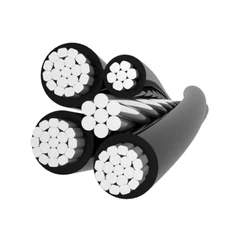
ソーラーケーブルの導体材料は通常、銅またはアルミニウムです。銅導体はアルミニウム導体よりも導電率が優れていますが、コストは高くなっています。銅導体ケーブルを選択すると、特に長距離伝送において、システムの効率を改善できます。アルミニウム導体ケーブルは安価ですが、導電率が低く、短距離伝達に適しています。

4.3環境適応性
ソーラーケーブルは、高温、強い紫外線、雨、風、砂などを含む過酷な環境条件に耐えることができる必要があります。したがって、UV抵抗、耐水性、高温耐性などの特性を持つケーブル外シース材料を選択することが非常に重要です。一般的な外側シース材料には、ポリエチレン(PE)、**架橋ポリエチレン(XLPE)**などが含まれます。これらの材料は、ケーブルの内部構造を効果的に保護し、ケーブルのサービス寿命を延長することができます。

4.4ケーブル認証と標準
ソーラーケーブルは、IEC 60216、IEC 60754、UL 4703などの厳しい国際的な安全性と品質基準に準拠する必要があります。

4.5柔軟性とインストールの容易さ
一部の太陽光発電システムでは、ケーブルの柔軟性と設置の容易さも選択において重要な要素です。柔軟なソーラーケーブルを選択すると、特に複雑な配線環境での設置が容易になります。

お問い合わせを送る